


Dragon City: Mobile Adventure
Social Point
I came away from Dragon City: Mobile Adventure thinking of it less as a simple dragon-collecting game and more as a long-term routine built around choices. I raise dragons, improve their habitats, prepare teams, and take them into battles against other players. The appeal is easy to understand: there is always another creature to develop, another combination to test, or another improvement that makes the city feel more complete. My clear recommendation is to try it if you enjoy gradual progress and collection games, but to skip it if you want a focused adventure with a definite ending or dislike games that encourage spending to speed things up.
What makes the dragon-city formula work
The game comes from Social Point and sits comfortably in the simulation category, although its battle system gives it more energy than a typical city builder. I spend part of my time arranging the practical side of the city and another part thinking about which dragons are worth developing. That mixture gives the game a useful rhythm: quieter management when I am checking progress, followed by more active decisions when a fight or competitive event demands attention.
The strongest part is the sense of ownership created by the collection. A dragon is not merely a picture added to a catalogue. It becomes a project. I have to decide where it fits, how much attention it deserves, and whether it is better used immediately or saved for a stronger team later. That makes even small improvements feel connected to a larger plan, especially when I avoid spreading resources too thinly across every available creature.
Related News

CapCut Mastery: Unleash Hidden Features for Pro-Level Editing

Dragon City: Mobile Adventure - Unleash Your Inner Dragon Master

Head Ball 2: The Arcade Soccer Sensation Redefining Mobile Sports
The battle side gives those decisions a reason to matter. The store summary presents the game as a place to breed, train, and fight, and that description is accurate without capturing the main tension: a dragon that looks exciting is not automatically the best choice for every encounter. I get better results when I think about the whole team rather than treating my newest acquisition as an instant solution.
That is also where the game separates itself from a purely decorative collection app. The city is not just a display shelf. It supports a progression loop in which dragons, habitats, upgrades, and battles affect one another. When I return after a break, I can usually find several useful tasks waiting, but I also have to decide which one deserves priority instead of tapping through everything without a plan.
Related News

Why WhatsApp Messenger Still Makes Everyday Communication Feel Easy

Jurassic World: The Game Is the Better Dino Tycoon for Strategic Players

Threads in Real Life: Who Should Join, Lurk, or Leave

How SHEIN Turned Shopping Into an Endless Content Feed

How to Make Fortnite Feel Smarter on Mobile

Should You Switch to Microsoft Outlook on Mobile?
Progress feels best when I play with a routine
My preferred way to play is to begin by checking anything that has finished, then review the dragons I am currently developing, and only after that choose battles. This order prevents me from rushing into competition with a team that is not ready. It also makes the city-management layer feel meaningful rather than like an interruption between fights.
A practical tip is to keep a small mental shortlist of dragons that serve different purposes. I do not try to improve every creature equally. I focus on a dependable group first, while allowing other dragons to remain collection or future-project choices. This is one of the less obvious trade-offs in the game: collecting broadly is satisfying, but concentrating effort usually produces a more capable team sooner.
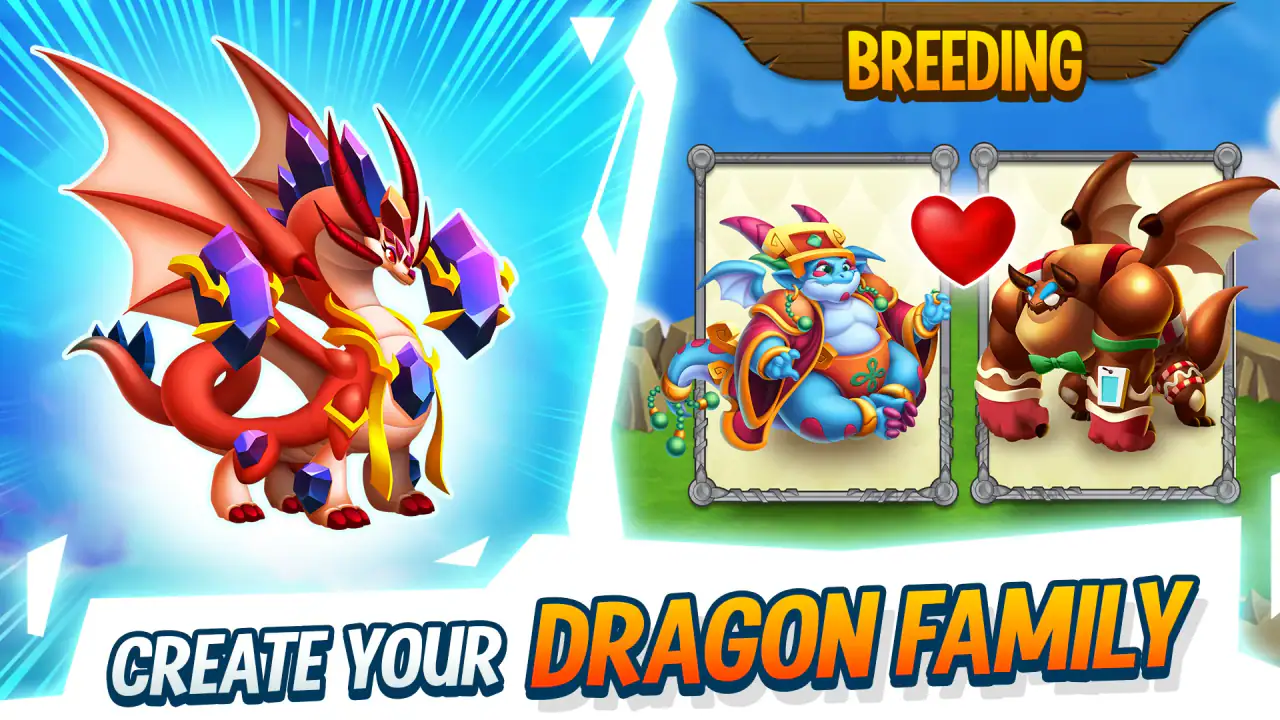
The same principle applies to breeding. I treat each attempt as a decision with an opportunity cost rather than pressing the option automatically whenever it appears. If I am preparing for competition, I prefer a plan that supports my current team. If I am playing casually, I can afford to experiment more. That flexibility is valuable, but it also means the game rewards players who pay attention to their own goals.
Gallery
For a realistic everyday session, imagine having ten minutes during a commute or while waiting for dinner. I can collect completed progress, start the next useful task, inspect my dragons, and take a battle if my team is ready. Later, with more time, I can make broader decisions about city development and collection priorities. The game works particularly well in these short visits because progress is divided into manageable actions rather than requiring one long uninterrupted sitting.
Why the competitive layer adds pressure
Player-versus-player battles give the collection a sharper purpose. I am not only building a pleasant-looking city; I am trying to create a group that can handle rivals. That changes how I judge a dragon. Appearance and rarity may attract me first, but practical usefulness becomes more important once I care about winning consistently.
I enjoy this layer most when I approach it as a planning exercise instead of expecting every match to be effortless. A loss can show that my team needs more development or that I committed too heavily to one approach. The downside is that competitive play can make the slower parts of progression feel more noticeable. When another player seems ahead, patience becomes part of the challenge.
Compared with a traditional city-building game, this one gives the city a stronger personal connection because the inhabitants are also the tools of competition. Compared with a straightforward creature battler, it asks me to spend more time managing the environment and the development pipeline. That combination is its identity, but it also means players looking for instant battles may find the preparation too involved.
I would not describe the combat as the entire experience. It works best as a reason to care about breeding, training, and upgrades. If I ignore the management side, the battles lose some of their meaning. If I only manage the city and avoid competition, I miss the feature that tests whether my long-term choices are actually working.
The friction I noticed after the initial excitement
The main weakness is the pace. Progress can feel rewarding when I am willing to return regularly, but it is less satisfying when I want immediate access to every improvement. The game is built around waiting, repeated attention, and gradual strengthening. That is not a flaw for everyone, yet it is a genuine limitation for anyone who prefers a compact campaign or rapid unlocks.
In-app purchases range from $0.99 to $199.99 per item, so the free entry point does not remove the need for spending discipline. I can play without paying, but the presence of purchases changes how I think about impatience. When progress slows, the temptation is obvious: spend to move forward now, or wait and keep the experience free. I recommend deciding on a personal limit before getting deeply invested, because collection games can make a small purchase feel harmless until several small decisions accumulate.
The large range between free play and expensive individual items is especially relevant to younger players. The game is rated Everyone, which makes it broadly accessible, but accessibility is not the same as suitability for every household’s spending habits. If children use the device, I would set purchase controls and explain that waiting is part of the design rather than treating every delay as a problem that needs a payment.
Another limitation is mental clutter. With dragons to collect, habitats to improve, teams to consider, and city tasks to organize, the game can become busy. I sometimes find myself opening it with one goal and being pulled into three others. That can be enjoyable when I have time, but it is less welcome when I only want to complete one quick action and leave.
My solution is to choose a daily priority. On one visit, I might focus on strengthening the battle team. On another, I might concentrate on city progress or collection. This simple habit keeps the game from turning into a checklist without direction. It also makes the slower pace easier to accept because I can see what my current session is meant to accomplish.
Who will get the most from it
I think the best audience is someone who enjoys collection, light management, and competitive goals in the same package. You will probably like it if you enjoy checking progress, making gradual improvements, and revisiting a growing project over time. The game is also a good fit for players who prefer short sessions but want a reason to return later.
It suits people who enjoy optimization without needing a highly technical strategy game. I can make meaningful choices about which dragons to develop and how to prepare a team, but I do not need to study a complicated spreadsheet to begin enjoying the basics. As my interest grows, I can pay closer attention to those choices and get more from the battle system.
It is less suitable for someone seeking a story-led adventure, a one-time purchase, or a game that respects a completely hands-off schedule. It may also disappoint players who want every dragon to be immediately available or who dislike repeating management actions while waiting for progress. A conventional action game would be a better choice for instant excitement, while a pure city simulator would be better for someone who does not want battles influencing development.
I would also be cautious about recommending it to a player who tends to spend impulsively in free games. The free download is inviting, but the long-term structure makes patience and boundaries important. If you can enjoy a goal without needing to reach it immediately, the design feels generous enough to support a satisfying routine. If every delay feels irritating, the same structure may become a source of frustration.
Device expectations and long-term value
The game supports Android seven point zero and later, which keeps it available to many existing Android devices. It is free to start, and its broad age rating makes it easy to share within a family setting, provided spending controls are handled sensibly. On the Android side, the current version is 26.2.2, so I would keep the app updated through the normal store process to receive the intended current experience.
Its scale is clear from the community around it: Dragon City has passed one hundred million installs, with an average rating of 4.7 from around eleven million ratings and roughly 628 thousand written reviews. Those figures do not guarantee that it will suit my personal taste, but they do show that the collection-and-battle formula has reached a very large audience and remained relevant for a long time since its release on July 3, 2013.
That longevity matters because this is not a game I judge by a single evening. Its value appears over repeated visits. I ask myself whether I enjoy returning to improve a team, whether the city gives my collection a satisfying home, and whether competitive battles make the preparation worthwhile. For me, the answer is yes, as long as I accept that the game is designed around gradual progress rather than constant breakthroughs.
My verdict after weighing the trade-offs
Dragon City: Mobile Adventure succeeds because its systems support one another. Breeding gives me new projects, training makes those projects useful, city management gives the collection structure, and battles test the choices I make. That loop is more engaging than a simple catalogue of creatures, and it gives short sessions a clear purpose.
Its weaknesses are just as important to understand. Progress is deliberately paced, the city can feel crowded with tasks, and in-app purchases create pressure for players who want to accelerate everything. I would not recommend it as a replacement for a fast action game or a self-contained adventure. I would recommend it to a patient player who likes building a collection over time and enjoys the occasional competitive test.
After reaching a 4.7 average across a very large player base, the game clearly has broad appeal, but my personal recommendation is more specific: try it if you want a dragon-themed routine with meaningful team choices, and approach it with a plan for your time and spending. If you do that, the slow growth becomes part of the pleasure rather than an obstacle. This is at its best when you treat every dragon as a long-term project, not a shortcut to instant victory.
FAQs for Dragon City: Mobile Adventure
What is Dragon City: Mobile Adventure?
Dragon City: Mobile Adventure is a strategic simulation game where players can build and manage a city filled with dragons. Players collect, breed, and nurture a variety of dragon species, each with unique abilities. The game involves engaging in battles, completing quests, and developing a dragon utopia on floating islands.
Is Dragon City: Mobile Adventure free to play?
Yes, Dragon City: Mobile Adventure is free to download and play. However, it offers in-app purchases for items like gems and special dragons. While these purchases can enhance gameplay, they are not necessary to enjoy the game. Players can progress through the game without spending money by engaging in various tasks and battles.
What are the key features of Dragon City: Mobile Adventure?
Key features include breeding and collecting over 1000 dragons, engaging in PvP battles, and participating in weekly events. Players can also customize their dragon city with buildings and decorations. The game offers social features, allowing players to join alliances, chat with friends, and team up in battles.
Can I play Dragon City: Mobile Adventure offline?
Dragon City: Mobile Adventure requires an internet connection to play. This connectivity supports its social features, events, and in-game updates. Players need to be online to access their game progress, participate in battles, and interact with other players globally.
How does dragon breeding work in Dragon City: Mobile Adventure?
Dragon breeding involves combining different types of dragons to create new species. Each dragon has elements that determine the potential offspring. Players experiment with various combinations to discover new dragons. Breeding times vary, and success can depend on the rarity and elements of the parent dragons.
Pros
- Vibrant graphics and engaging animations.
- Wide variety of dragons to collect.
- Frequent events and updates keep it fresh.
- User-friendly interface and controls.
- Cross-platform play with Facebook friends.
Cons
- In-game purchases can get expensive.
- Requires a stable internet connection.
- Some tasks are repetitive over time.
- Energy system limits play sessions.
- Loading times can be slow occasionally.


